Ksrtc_website_Redesign
A comprehensive UX/UI redesign of the KSRTC app focused on creating a visually engaging and simply navigated experience. By introducing curated short and long-route trip discovery directly on the home screen and integrating instant AI & contact support, this redesign simplifies travel planning while targeting a 25% increase in leisure engagement and a 15-20% boost in weekend booking revenue.

Role
Product Design
Duration
4 Weeks
Project
Website
Industry
Transportation
Tools
Figma, Miro, ChatGpt,
Problem & Challenges
A comprehensive UX/UI redesign of the KSRTC app focused on creating a visually engaging and simply navigated experience. By introducing curated short and long-route trip discovery directly on the home screen and integrating instant AI & contact support, this redesign simplifies travel planning while targeting a 25% increase in leisure engagement and a 15-20% boost in weekend booking revenue.
Problem & Challenges
A comprehensive UX/UI redesign of the KSRTC app focused on creating a visually engaging and simply navigated experience. By introducing curated short and long-route trip discovery directly on the home screen and integrating instant AI & contact support, this redesign simplifies travel planning while targeting a 25% increase in leisure engagement and a 15-20% boost in weekend booking revenue.


Solution
A comprehensive UX/UI redesign of the KSRTC app focused on creating a visually engaging and simply navigated experience. By introducing curated short and long-route trip discovery directly on the home screen and integrating instant AI & contact support, this redesign simplifies travel planning while targeting a 25% increase in leisure engagement and a 15-20% boost in weekend booking revenue.
Solution
A comprehensive UX/UI redesign of the KSRTC app focused on creating a visually engaging and simply navigated experience. By introducing curated short and long-route trip discovery directly on the home screen and integrating instant AI & contact support, this redesign simplifies travel planning while targeting a 25% increase in leisure engagement and a 15-20% boost in weekend booking revenue.

Role
Product Design
Duration
4 Weeks
Problem & Challenges
I led the end-to-end product design for Bistrapay — shaping the user experience from initial research to the final interface. My role focused on simplifying complex cross-border flows, creating a clearer transfer journey, and building a design system the team could scale confidently.
Responsibilities
Product Design, UX Research & Flow Mapping, Wireframing &, Prototyping, UI Design & Interaction Design, Design System, Developer Handoff
I led the end-to-end product design for Bistrapay — shaping the user experience from initial research to the final interface. My role focused on simplifying complex cross-border flows, creating a clearer transfer journey, and building a design system the team could scale confidently.
Goal
I led the end-to-end product design for Bistrapay — shaping the user experience from initial research to the final interface. My role focused on simplifying complex cross-border flows, creating a clearer transfer journey, and building a design system the team could scale confidently.
I led the end-to-end product design for Bistrapay — shaping the user experience from initial research to the final interface. My role focused on simplifying complex cross-border flows, creating a clearer transfer journey, and building a design system the team could scale confidently.
Wirframe
I led the end-to-end product design for Bistrapay — shaping the user experience from initial research to the final interface. My role focused on simplifying complex cross-border flows, creating a clearer transfer journey, and building a design system the team could scale confidently.
I led the end-to-end product design for Bistrapay — shaping the user experience from initial research to the final interface. My role focused on simplifying complex cross-border flows, creating a clearer transfer journey, and building a design system the team could scale confidently.

impactful products.
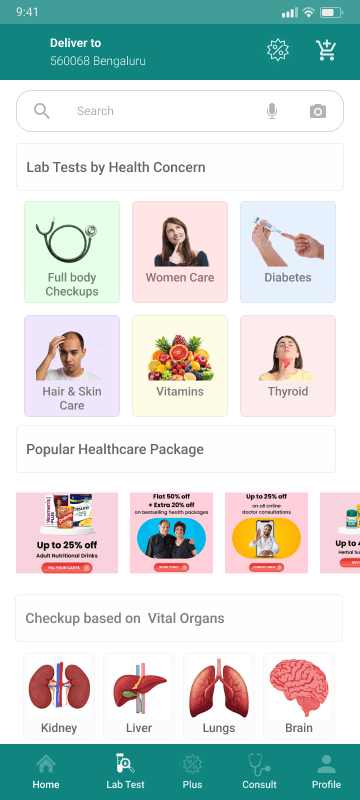
impactful products.
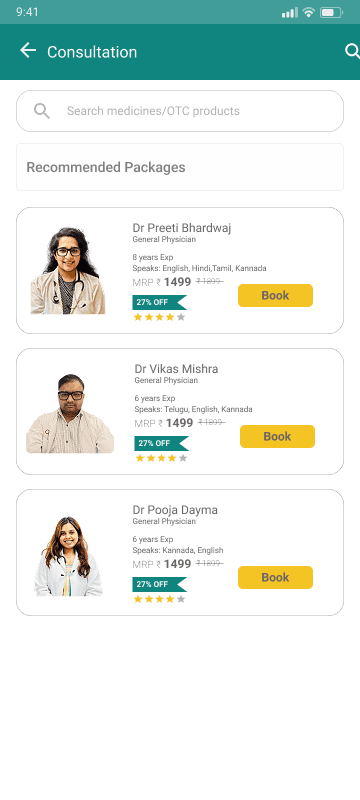
impactful products.

impactful products.

impactful products.
Visual
I led the end-to-end product design for Bistrapay — shaping the user experience from initial research to the final interface. My role focused on simplifying complex cross-border flows, creating a clearer transfer journey, and building a design system the team could scale confidently.
I led the end-to-end product design for Bistrapay — shaping the user experience from initial research to the final interface. My role focused on simplifying complex cross-border flows, creating a clearer transfer journey, and building a design system the team could scale confidently.
impactful products.
impactful products.
impactful products.
impactful products.
impactful products.
Design Process
The legacy KSRTC platform suffers from a cluttered navigation architecture that buries specialty tour packages, paired with an unoptimized, data-heavy mobile interface that forces high cognitive fatigue. This digital friction carries directly into the physical world upon arrival at the terminal, where a total absence of live wayfinding or station maps leaves travelers struggling to locate their platform bays and ticketing counters.
Solution
To resolve these friction points, the proposed redesign transforms KSRTC into a streamlined, high-converting travel ecosystem. It bridges the physical-to-digital gap via terminal QR scanning for frictionless app adoption, immediately handing travelers live station mapping to navigate platform bays and amenities. Inside the UI, heavy data density is replaced by a clean, minimalist aesthetic backed by instant AI support for boarding or payment anomalies. Finally, the home screen surfaces curated getaways directly to the user, aligning user discovery with clear business impact: driving a projected 25% lift in leisure route engagement and a 15–20% boost in weekend booking revenue.
Problem
The legacy KSRTC platform suffers from a cluttered navigation architecture that buries specialty tour packages, paired with an unoptimized, data-heavy mobile interface that forces high cognitive fatigue. This digital friction carries directly into the physical world upon arrival at the terminal, where a total absence of live wayfinding or station maps leaves travelers struggling to locate their platform bays and ticketing counters.
Solution
To resolve these friction points, the proposed redesign transforms KSRTC into a streamlined, high-converting travel ecosystem. It bridges the physical-to-digital gap via terminal QR scanning for frictionless app adoption, immediately handing travelers live station mapping to navigate platform bays and amenities. Inside the UI, heavy data density is replaced by a clean, minimalist aesthetic backed by instant AI support for boarding or payment anomalies. Finally, the home screen surfaces curated getaways directly to the user, aligning user discovery with clear business impact: driving a projected 25% lift in leisure route engagement and a 15–20% boost in weekend booking revenue.